close

admin

Dogs

Home Alone: Why Separation Anxiety Is So Hard to Fix, and What Actually Shifts It

Home Alone Why Separation Anxiety Is So Hard to Fix and What Actually Shifts It

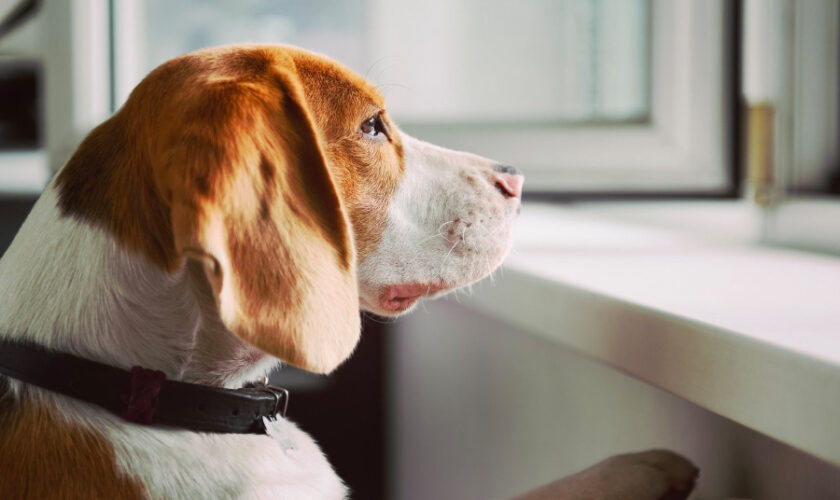
It usually starts with a message from a neighbour. Or a chewed door frame. Or, increasingly, forty minutes of camera footage you watch through your fingers on the train home — the dog at the door, then pacing, then at the door again, for the entire time you were out.

Separation problems are among the most common reasons people contact a behaviourist, and among the most commonly mishandled. Not because owners don’t care, but because almost every instinct you have about it is wrong, and because the one thing that genuinely works is inconvenient in a way that most households can’t easily absorb.

It probably isn’t spite, and it might not be separation anxiety

Let’s clear the first bit up quickly. Dogs do not wreck the hallway to punish you for going out. They don’t hold grudges, they don’t plan revenge, and the guilty look you get when you walk in is a response to your face and your tone, not an admission of anything. He looked guilty before you’d even seen the mess.

The more useful question is what kind of problem you actually have, because several different things look identical from the outside.

True separation anxiety is panic. The dog is genuinely distressed at being separated, and the distress usually starts within the first few minutes and doesn’t ease. You’ll see pacing, drooling, howling, scratching at exit points, sometimes toileting, sometimes self-injury. It’s not comfortable to watch.

Isolation distress is similar but less specific — the dog can’t cope with being alone at all, and is fine as long as anybody is there. A neighbour popping in fixes it; you coming home isn’t the point.

Barrier frustration is different again. The dog isn’t frightened, he’s furious about being shut away from something he wants. It tends to look more focused: destruction concentrated on one door, and a dog who’s perfectly relaxed the moment he’s let through.

And then there’s plain boredom, which accounts for a great deal of daytime destruction and gets misdiagnosed constantly. A young, under-exercised dog left for seven hours with nothing to do will find something to do, and it will usually be expensive.

That distinction matters, because the fixes are completely different. A bored dog needs more to occupy him and roughly nothing else. A dog in genuine panic needs a slow, structured behaviour programme, and everything around it — a steady routine, enrichment that lowers arousal, Calming Dog Treats fed daily to take the edge off the baseline — is support for that work rather than a substitute for it. Give a panicking dog a stuffed Kong and he won’t touch it. Give a bored dog a behaviour programme and you’ve wasted six weeks.

Get footage before you do anything

This is the step people skip and it’s the one that saves the most time.

Set a phone or a cheap camera up before you leave, and watch the first thirty minutes properly. You’re looking for when the distress starts, what triggers it, whether it plateaus or escalates, and whether he ever settles.

What owners discover is often not what they expected. Plenty of dogs assumed to be anxious all day turn out to bark for four minutes and then sleep. Others thought to be fine turn out to have been panting at the door the whole time without making a sound — those are the ones that get missed for years, because a quiet dog with no destruction looks like a dog who’s coping.

You also need this footage to know whether anything you try is working. Separation problems improve slowly enough that memory is useless as a measure.

Why it’s so hard to shift

Here’s the mechanism that makes this different from most behaviour problems.

Every time you leave your dog for longer than he can cope with, he rehearses panicking. The fear doesn’t fade through repetition — it deepens, because the experience keeps confirming that being left alone is unbearable. So an owner who leaves for work every day while also doing training in the evenings is effectively working against themselves, and the daily eight hours will always outweigh the ten minutes.

This is why progress stalls for so many people. It isn’t that the technique is wrong. It’s that the technique is being applied on top of a daily dose of the thing causing the problem.

The uncomfortable first step

The honest version of the advice is this: for the programme to work, the dog shouldn’t be left beyond his threshold at all while you’re rebuilding it. If he panics after two minutes, then in the early weeks he doesn’t get left for three.

For most households that’s not immediately possible, so it becomes a logistics problem rather than a training one. Daycare a few days a week. A dog walker who arrives before the panic starts rather than at lunchtime. A neighbour, a relative, a friend who works from home. Rearranging your own days so someone is in more often for a couple of months.

None of that is cheap or easy, and it’s why so many owners quietly give up. But it’s worth understanding that the training itself is straightforward — it’s the management around it that determines whether it works.

Departure cues

Long before you leave, your dog knows you’re going. Keys, shoes, the particular bag, the sound of the boiler being turned down. He’s been reading these for years and the anxiety often starts at the first one, not at the door closing.

The fix is repetition until the cue means nothing. Pick up your keys and sit back down. Put your coat on and make a cup of tea. Put your shoes on and watch television in them. Do it ten or fifteen times a day, casually, until picking up the keys stops producing a reaction.

It feels ridiculous. It also works, and it’s one of the few parts of this you can do without rearranging your life.

Graduated absences

Once the cues are neutral, you start on actual absences — and the units are much smaller than people expect.

Go to the door. Open it. Close it. Sit down. That’s the first repetition, and for a lot of dogs that’s already near the limit.

Then out of the door for two seconds. Back in. No greeting, no fuss, no “who’s a good boy” — you want coming and going to be spectacularly boring.

From there you build, but not in a straight line. This is the bit that catches people out: you don’t go five seconds, ten, fifteen, twenty. You go five, then three, then twelve, then four, then eight. Random variation stops the dog counting up and getting anxious about where it’s heading. A predictable ladder teaches him that every absence is longer than the last one.

The rule throughout is that he should never get to the point of distress. If he does, you’ve gone too far, and you drop back well below the point where it happened rather than trying again at the same duration.

What doesn’t work

Getting a second dog. It occasionally helps a dog with isolation distress, and it does nothing at all for a dog attached specifically to you. It’s also an enormous decision to take on the basis of a hunch.

Tiring him out. A long walk before you leave is good practice, but exhaustion doesn’t override panic, and a hard, high-arousal session can leave him more wound up than he started.

The crate, used as a solution. For a dog with genuine separation anxiety, confinement usually makes things considerably worse, and crate injuries in panicking dogs are not rare. If he chooses to go in an open crate, fine. Shutting him in is not the answer.

And punishment, in any form, for any of it. He isn’t choosing this.

Coming home

The reunion matters more than most people realise, because the bigger the contrast between you being gone and you being back, the more significant your absence becomes.

Big emotional greetings feel like the decent thing to do and they work against you. A dog who gets a minute of high-pitched fuss every time the door opens learns that your return is the best part of his day, which makes the rest of the day worse by comparison.

Come in, hang your coat up, put the kettle on. Say hello calmly when he’s settled rather than while he’s spinning in the hallway. The same goes for departures — no long goodbyes, no apologetic speeches, no lingering at the door. Boring arrivals and boring departures are the target.

It feels cold. It isn’t. You’re not withholding affection, you’re moving it away from the doorway and into the rest of the evening, where it does no harm.

How long it takes

Longer than you want. Mild cases can improve in a few weeks. Established separation anxiety in an adult dog is usually a matter of months, and progress is rarely linear — there’ll be a fortnight where everything goes backwards for no reason you can identify.

Judge it on the footage rather than on the state of the hallway. Latency to first distress is the number that matters: if he used to start pacing at ninety seconds and now starts at four minutes, that’s real progress even though the end result still looks like a distressed dog.

When to get help

If your dog is injuring himself, breaking through doors or windows, or unable to settle at any point during an absence, get a proper assessment rather than working from articles. A clinical animal behaviourist working with your vet is the right combination.

Medication is worth asking about and worth not being squeamish over. A dog whose baseline anxiety is high enough that he can’t learn anything won’t benefit from a training programme, because learning doesn’t happen in a panicking brain. Bringing that level down often makes the behaviour work possible for the first time — and for many dogs it’s a temporary support during the programme rather than something they stay on.
read more
Pet

Why Quality and Safety Matter in Pet CBD Products

Why Quality and Safety Matter in Pet CBD Products

The world of pet wellness is evolving quickly. Today’s pet owners are more informed than ever and often look for ways to support their animals beyond traditional nutrition and exercise.

One product that has gained attention in recent years is Pet CBD, a hemp-derived supplement created specifically for dogs and cats.

As awareness grows, understanding the safety rules and regulatory guidelines surrounding CBD products is extremely important.

Hemp Compounds and Animal Biology

CBD is a compound extracted from hemp plants. Hemp is legally cultivated because it contains extremely low levels of THC.

Unlike THC, CBD is non-psychoactive. This means it does not cause the intoxicating effects associated with cannabis.

Researchers have become interested in CBD because animals possess a biological network known as the endocannabinoid system.

This system plays a role in maintaining balance across various bodily functions.

Why Zero THC Is Essential

Animals are far more sensitive to THC than humans.

Even small amounts may cause unwanted effects in pets. Because of this, pet CBD products should always contain zero THC.

Responsible manufacturers ensure THC is removed during the extraction process.

Choosing CBD products designed specifically for animals helps reduce the risk of exposure to harmful compounds.

Veterinary Approval in the UK

UK pet owners must also follow guidance from the Veterinary Medicines Directorate (VMD).

The VMD advises that CBD should only be given to dogs or cats with permission from a veterinarian.

This ensures that pets receive supplements responsibly and that potential interactions with medications or health conditions are considered.

Premium Ingredients and Carrier Oils

Carrier oils play a key role in CBD products because they help deliver CBD effectively.

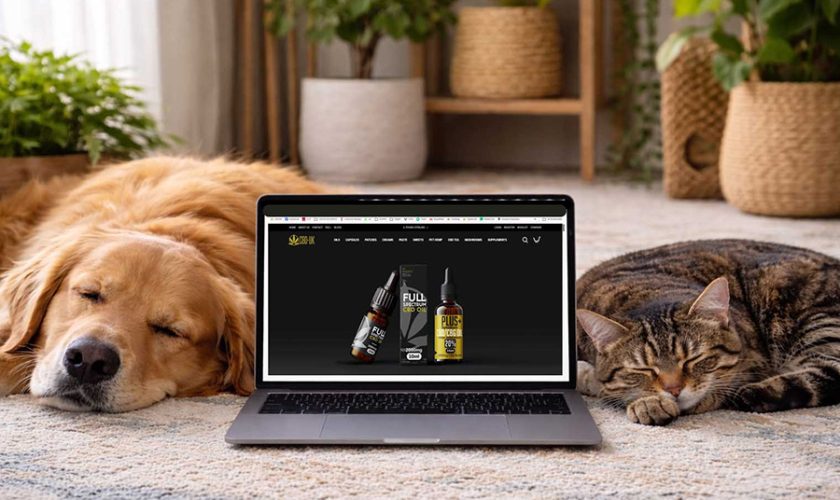
At CBD UK, pet CBD oils are produced using human-grade salmon oil.

Salmon oil naturally contains omega-3 fatty acids that are widely recognised in pet nutrition for supporting skin, coat health, and overall wellbeing.

Using high-quality carrier oils helps ensure that CBD supplements meet high safety standards.

Final Thoughts

Natural supplements for pets are attracting increasing attention from animal owners worldwide. Products known as Pet CBD are part of this growing conversation around modern pet wellness.

However, responsible use is essential. CBD products for animals must contain zero THC, and UK regulations state that pets should only receive CBD after veterinary approval, as advised by the Veterinary Medicines Directorate.

By focusing on quality, safety, and professional guidance, pet owners can make informed decisions about whether CBD supplements may be suitable for their pets.

read more
Dogs

The Importance of Regular Walks for Your Furry Friend

The Importance of Regular Walks for Your Furry Friend

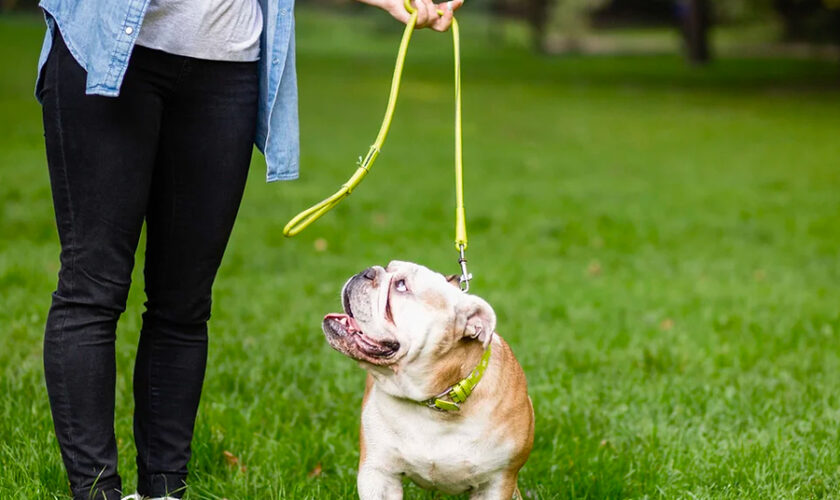
Owning a dog comes with many responsibilities, one of the most important being ensuring they get enough exercise. Regular walks are not just a way to keep your dog physically fit, but they also play a crucial role in their mental well-being and overall happiness. So, how often should your furry companion go on walks?

Understanding Your Dog’s Needs:

Every dog is unique, with varying energy levels, breed characteristics, age, and health conditions. Understanding your dog’s individual needs is key to determining how often they should go on walks. High-energy breeds like Border Collies or Retrievers may require more frequent and vigorous walks compared to smaller or less active breeds like Bulldogs or Pugs.

Factors to Consider:

1. Breed:

Different breeds have different exercise requirements. Research your dog’s breed characteristics to understand their needs better.

2. Age:

Puppies have shorter bursts of energy and shorter attention spans, so they may need more frequent but shorter walks compared to adult dogs. Senior dogs may have mobility issues and require gentler, shorter walks.

3. Health:

Dogs with certain health conditions may require modified exercise routines. Always consult with your veterinarian to ensure your Dog Walkers in Birmingham, AL exercise regimen is suitable for their health status.

Guidelines for Walk Frequency:

1. Daily Walks:

In general, most dogs benefit from at least one walk per day. This allows them to burn off excess energy, engage their senses, and maintain a healthy weight.

2. Frequency:

Aim for a minimum of 30 minutes to an hour of walking each day, depending on your dog’s breed, age, and energy level. Splitting the walk into multiple shorter sessions can be beneficial for puppies or senior dogs.

3. Variety:

Keep walks interesting by exploring different routes, environments, and terrains. This provides mental stimulation and prevents boredom.

Signs Your Dog Needs More Walks:

  • Restlessness or pacing around the house
  • Excessive barking or whining
  • Destructive behaviour, such as chewing furniture or digging
  • Weight gain or obesity

Conclusion:

Regular walks are essential for your dog’s physical health, mental stimulation, and overall well-being. By understanding your dog’s individual needs and adhering to a consistent walking routine, you can ensure they lead a happy and fulfilling life. Remember, a tired dog is a happy dog, so lace up those walking shoes and hit the pavement with your furry friends.

read more
Dogs

How to Choose the Right Moisturiser for Your Dog’s Coat

How to Choose the Right Moisturiser for Your Dog's Coat

Dogs are great companions, so they deserve the best care from their owners. A healthy coat is necessary for a dog’s overall health and well-being.

Proper grooming and regular baths are necessary to keep your dog’s coat shiny and clean, but sometimes, your dog’s coat may require additional moisture. That is where moisturisers for dog coats come in.

Read on as we will guide you on how to choose the right moisturiser for your dog’s coat, discussing the importance of natural pet health products and pet wellness products.

Why Use Moisturizer for Dogs Coat?

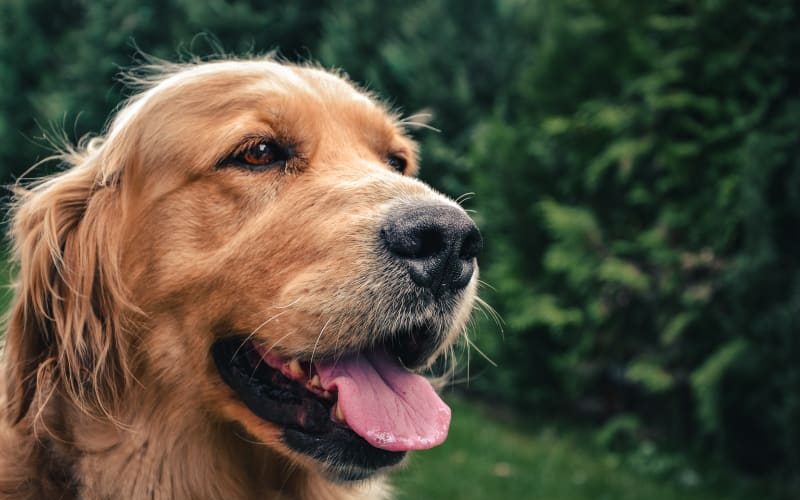
Applying an even amount of moisturisers for dogs’ coats can help to keep the coat hydrated and moisturised. That is especially important for dogs with dry or itchy skin, as it can help to alleviate these symptoms.

A moisturised coat also helps to prevent tangles and mats, which can be painful for your dog to remove. A healthy coat is also necessary for regulating body temperature and protecting your dog from the elements.

Natural Pet Health Products

Natural pet health products are becoming increasingly popular as more pet owners become aware of the potentially harmful effects of synthetic ingredients in pet products.

Natural pet health products are made with ingredients that are derived from natural sources and free from chemicals, additives and preservatives. That makes them safer for pets and better for the environment.

Pet Wellness Products

Pet wellness products are products designed to promote the pets’ overall health and well-being. That includes products such as supplements, grooming products, and toys.

Pet wellness products can help to prevent health problems and improve the quality of life of your pet. They are also a great way to bond with your pet and show them that you care.

Choosing the Right Moisturiser for Your Dog’s Coat

When choosing a moisturiser for your dog’s coat, there are several factors to consider, such as:

Consider Your Dog’s Coat Type

Different dog breeds have different coat types. Some dogs have long, thick coats, while others have short, thin coats. The type of coat your dog has will determine the type of moisturiser you should use.

For example, a dog with a thick coat may require a heavier moisturiser. A lighter moisturiser is suitable for a dog with a thin coat.

Look For Natural Ingredients

When choosing a moisturiser for your dog’s coat, it is crucial to look for natural ingredients. Natural ingredients are safer for your pet and better for the environment. Some natural ingredients to look for include aloe vera, coconut oil, and shea butter.

Avoid synthetic ingredients

Synthetic ingredients, such as fragrances and preservatives, can harm your pet. They can cause skin irritation, allergic reactions, and other health problems. When choosing a moisturiser for your dog’s coat, it is crucial to avoid synthetic ingredients and opt for natural ingredients instead.

Check For Allergies

Some dogs may be allergic to certain ingredients in moisturisers. Before using a new moisturiser on your dog’s coat, it is crucial to check for allergies. You can do this by applying a small amount of moisturiser to your dog’s skin and watching for any signs of an allergic reaction.

Choose An Easy-To-Apply Moisturiser

Dogs can be squirmy and difficult to groom. When choosing a moisturiser for your dog’s coat, it is crucial to choose one that is easy to apply. Look for a moisturiser that is lightweight and easy to spread and that absorbs quickly into the skin.

Conclusion

Choosing the right moisturiser for your dog’s coat is essential for maintaining healthy and shiny hair. You can promote your pet’s overall health and well-being by choosing natural and safe products.

Your furry friend deserves the best care and attention, so check outc!

read more
Dogs

How To Prevent Dog Breath

Having dog breath is extremely common. After the age of three, they are present in roughly 80{f2f26ab5e03d0b265ae22b445d1101598e678ef39f67fc70960081a2b98018f9} of dogs. Dog’s breath, also known as periodontal disease, causes the gums and bone that support the teeth to deteriorate severely.

Your dog’s health is in danger because the infection that causes dog bad breath can spread through his bloodstream and affect his kidneys and liver.

Gingivitis, the initial stage of periodontal disease, can be treated effectively. If left untreated, however, it can progress into periodontal disease, which can be treated but not cured. And the worse it gets, the quicker it goes.

Periodontal disease can be avoided with routine professional cleanings and veterinary checkups beginning early in your dog’s life.

You can start a home oral hygiene routine, but it can be challenging to clean a dog’s teeth thoroughly if he or she would rather be doing something else.

Vets typically advise annual cleanings, but your dog’s condition may necessitate more visits. It’s best to start acclimating your dog to the idea of having his teeth brushed at an early age.

The following are some ways to keep your dog’s breath fresh:

– The teeth of your dog should be brushed at least twice a day. It’s important to remember to floss every day.

Initiate the programme when your dog is still a puppy. It’s best to get going as soon as possible.

– To begin, your dog must get used to your touching its head and jaws. If you lift her lips, you may examine her teeth and gums from all angles.

– Then, begin running your finger over the gums and teeth as if it were a toothbrush. Just give your dog a little time to adjust.

Because even though a newborn may not have teeth yet, there are already germs present, this is comparable to how you could introduce brushing to a baby, beginning with simply the gums. Use your finger to swab out your puppy’s mouth and rub its teeth.

– Wrap some gauze or a damp washcloth around your finger, and touch the outside and inner surfaces of your dog’s teeth and gums.

At last, a toothbrush is introduced. Get going with a manageable task. Once your dog is comfortable with the brush, you may ditch the gauze or washcloth. Do everything you can to fix the remainder of your dog’s mouth. Make sure the interior is brushed out as well.

If you start with the first step and work your way up to the toothbrush gradually, you may reduce your daily brushing time to only one or two minutes.

With regular dental care, your dog will learn that the process is painless, and it will happily offer you a few minutes of its time each day.

It may take your dog 8-16 weeks, but it will come to enjoy the regular brushing that you perform for it. Dogs thrive on human interaction. Your dog may even learn to sit still while you wash its teeth.

Fixing Canine Halitosis: A Guide for Pet Owners

It’s likely that plaque is to blame for your dog’s unpleasant breath. If you haven’t brushed your teeth in a while, a film of germs called plaque has formed over your teeth.

In addition, it may cause unpleasant and perhaps life-threatening gum infections. Your dog’s breath may be kept fresh and minty with just a little effort.

Imagine how bad your breath would be if you skipped brushing for a week. Yuck. While daily brushing is preferable for your dog’s oral health, brushing twice weekly is OK.

The prospect of cleaning your dog’s teeth may strike fear in your heart, but if you start while your pup is small, it will quickly become a pleasurable routine. If you try to brush right away, you should expect a loud protest. Begin by gently touching and massaging your dog’s mouth.

Engage in this for a short time every day and praise their efforts. After acclimating yourself to your dog’s mouth for a few days, you may begin to brush in circular movements by elevating the lip with a piece of gauze on your finger.

If you wait until they’ve gotten used to it, you might be able to move on to other teeth. A dog-specific soft bristle brush can be used instead after some time has passed.

Now you can even get dog toothpaste. Various flavors, including chicken, beef, and malt, are available. Because of this, they will have a much better time. Avoid using human toothpaste, as the foam will be too much for a dog to handle, and the dog will likely vomit if you try to brush its teeth with it.

If your dog still resists having their mouth touched after all the training, you can always get a toy. A grove-filled hard rubber toy is available.

Many veterinarians suggest this toy for canine patients who resist dental care. For the sake of your dog’s teeth, it has been custom-made. A small amount of dog toothpaste can be placed in the grooves, allowing your dog to clean his or her own teeth.

Some folks whip up a pot of oxtail stew once in a while. A cooked oxtail is an option for those who want to share it with their canine companion. The tendons in the tail can be used to massage the gums and teeth. For cleaning those out-of-the-way spots, this tool is invaluable.

Try a raw carrot instead of oxtail soup. A little piece of carrot may be given as a snack and also serve as a tooth scraper. The mildness of this solution will be belied by its efficacy in removing noxious plaque. You may get a mouth spray for your dog that works the same way it does for humans.

Don’t continue feeding your dog from a can. In order to lessen bad breath, try switching to dry foods. If you feed your dog dry food, it may damage the enamel. Don’t give your dog any table scraps to chew on all day either.

Your dog’s mouth is constantly producing dangerous microorganisms. In the event that your dog has not completed eating after half an hour, please remove the bowl from the table. Feeding your dog a few times a day is like feeding the germs a few times a day.

read more
Pet

Knutsford Vets – Providing Pets With The Best Care

Knutsford Vets provides a wide range of animal care services to pets and their owners in the Knutsford area. From routine preventative treatments for dogs, cats, rabbits, and other small animals They’ll emergency first aid, behavioral advice, and surgical consultations, have you covered.

The Difference Between A Veterinary Surgeon and A Vet

There are many different types of vets out there, and it can be confusing to know which one is right for your pet. Here, They’ll explain the difference between a veterinary surgeon and a vet, to help you make the best decision for your furry friend.

A veterinary surgeon is a medical doctor who specializes in the diagnosis and treatment of diseases and injuries in animals. They have completed an accredited veterinary medicine program, and have passed a rigorous set of exams. Veterinary surgeons can perform surgery on animals and are often involved in complex cases.

A vet is a general practitioner who provides preventive care and treats common illnesses in animals. Vets typically have less training than veterinary surgeons, but they are still able to provide excellent care for your pet. When choosing a vet, it’s important to find one that you feel comfortable with, and that has experience treating the type of animal you have.

At Knutsford Vets, They understand that your pet is a member of the family. That’s why They offer a wide range of services to keep them happy and healthy. From routine check-ups and vaccinations to more complex procedures, They have the experience and expertise to provide the best possible care for your beloved pet.

Here are just some of the ways They can help you and your pet

Routine check-ups and vaccinations – They recommend that all pets have regular check-ups with their vet, as this is the best way to catch any health problems early. They also offer a comprehensive vaccination service to help protect your pet against common diseases.

Dental care – Good oral hygiene is essential for all pets, and They offer a variety of dental services to keep their teeth in tip-top condition. From simple teeth cleaning to more complex dental work, They can take care of all your pet’s needs.

Surgery – Our experienced team offers a wide range of surgical services, from routine spaying and neutering to more complex procedures. They use the latest technology and techniques to ensure that your pet has a safe, successful surgery.

Nutritional advice – They can advise you on what type of food is best for your pet, based on their individual needs. They also stock a range of premium quality pet foods and supplements, so you can be sure your furry friend is getting everything they need.

read more
Dogs

What Should I Do If My Dog is Suffering From Anxiety – MyBravePaws

Anxiety is an extremely common condition in dogs, and it can take many forms. It can be a result of something your puppy has experienced in the past or develop from being around humans too much. In this article, you’ll learn about some ways to help calm your anxious puppy, like making sure they have plenty of exercise and time to themselves, having them see the vet regularly for checkups, and feeding them the ideal food.

What Are the Signs of Anxiety in Dogs?

Dogs can suffer from anxiety in a variety of ways. Some may exhibit signs such as being restless, pacing, panting, vomiting, and diarrhea. If you’re unsure if your dog is experiencing anxiety, here are some tips by Dr. Jill Lopez, Pet Candy Magazine

On how to determine if they are:

  • Watch your dog closely and watch for any changes in behavior.
  • If you have a puppy or young dog, make sure they have plenty of exercise and socialization opportunities.
  • If you think your dog has anxiety, Brave Paws Anxiety and Stress Support may help. Learn more at mybravepaws.com.

What Should I Do If My Dog is Suffering From Anxiety?

If you’re noticing that your dog is constantly on edge or exhibiting signs of anxiety, there are a few things you can do to help him.

  • First, make sure that he’s getting enough exercise and stimulation.
  • Another thing you can do to help reduce your dog’s anxiety is to provide him with proper nutrition and hydration.
  • Be patient with your dog. It may take some time for him to improve, but with patience and care, he can finally start living a life free from anxiety and make sure that you give your dog plenty of attention and love.

Conclusion

Whether it was as a child or an adult, we all know that having a furry friend can be incredibly therapeutic. However, for some dogs, particularly those suffering from anxiety even the simplest things can be overwhelming. If you’re looking for ways to help your dog overcome anxiety, consider treatment. There are many different ways to treat anxious dogs, and the best approach depends on the individual dog’s symptoms and personality.

read more
Dogs

Looking for a good quality dog grooming service for your animal?

Animal lovers do not want their pets to get damaged by anything since they are obsessed with it. They understand their emotions. As you have seen many zookeepers are attached to the animals and they know what their emotions are.

So now there are groomers like the Pet groomers in Hollywood FL who would help in maintaining the animals. Grooming includes cleaning too. Animals do need to get cleaned or you can say shower them every fifteen days so that they would not smell and they would stay clean. They are very conscious of the work they do.

Since they do not get overconfident and they do not want to damage the animals from anywhere so they take steps very carefully. The mobile dog grooming Hollywood FL has their website from her they help [p out people in getting appointments for their animals so that they would not have et o stay in the queue.
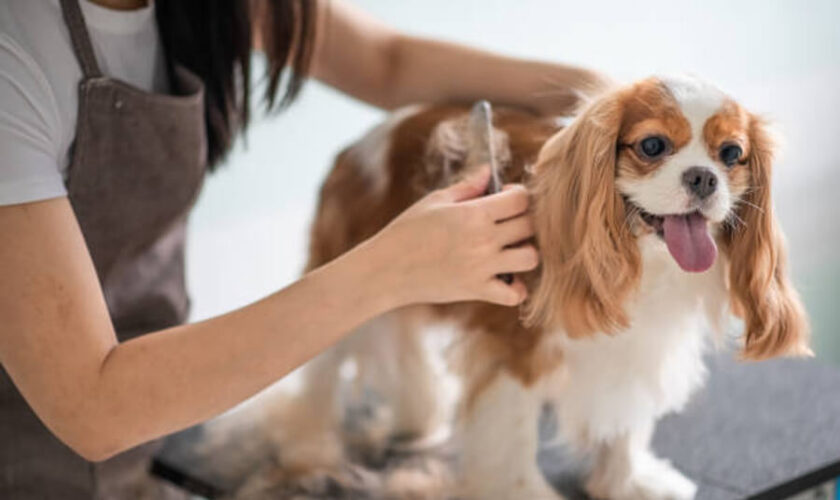


Their website contains valuable information which is needed to understand by the customers before they reach the groomer. The information would help them to know what they are purchasing and what they are looking for. This would be much better as the knowledge of the customer would also enhance with the help of the mobile dog grooming Hollywood FL.

Ready to exercise their services?

If you are willing to buy the mobile dog grooming Hollywood FL services all you have to do is go to them where they have mentioned all of their services properly they are very careful with their customers and they would not leave any type of compromise which would disappoint their customers. So what’s the wait for? Go and check out their awesome services. You will have no regrets at all.

read more
Dogs

How Do You Trust A Dog Groomer?

Just as you won’t want to put the care of your dog in the hand of any dog walker or doggy daycare, you should be careful of who grooms your dog. You need to be able to trust your dog groomers that they will be willing to go the extra length to cater to the needs of your puppy.

So, this brings us to the important question – how do you trust a dog groomer? Here are the things that can help you to trust your dog groomer:

· Consider experience

As long as trusting a dog groomer is concerned, it is paramount to consider experience. An experienced groomer will likely know what to do to take care of your puppy; hence, you shouldn’t overlook experience. You must think about how long the groomer has been offering the services, their qualifications, and how many dogs they have groomed.

· Get references

The truth is that every groomer will speak positively about themselves. But this doesn’t mean that you should trust them to handle your dog grooming. Therefore, you should get references from the dog groomer. With the references, you can get in touch with some of their former and current customers to learn more about the quality of the service of the groomers.

· Check out reviews

Another way to trust a dog groomer is to read honest reviews from their customers. Yelp, Google Reviews, and numerous other platforms allow customers to discuss their experiences with a particular groomer. So, you shouldn’t hesitate to read the reviews on these independent review platforms.

Nonetheless, you must be careful as some of the reviews may be from aggrieved customers who are hell-bent on destroying the groomer’s reputation. Try to look for balanced views from the customers.

· Consider transparency

Is the dog groomer transparent about how they handle the dog grooming procedure? Do they try to hide the procedure from dog owners? These questions can assist you to know whether a groomer is transparent or not. Normally, a transparent groomer should enable you to watch them while taking care of your dog.

· Ask about the handling procedures

Sometimes, the success of dog grooming depends on how the groomer handles the process. As a consequence of this, you can only trust a groomer if they handle the process safely and professionally. So, before allowing a groomer to cater to your canine, ask about their handling procedures.

How do they take care of injured, small, fragile, old, or aggressive dogs? What do they do if a dog wants to bite them? Find answers to these questions before trusting a dog groomer.

· Watch the reactions of dogs after grooming

After dog grooming, how do the dogs react? Do they leave the dog grooming salon happily with their tails wagging? If most of the dogs react badly, your dog will likely have a similar experience.

In conclusion, it is not easy to trust a dog groomer as you may not know the quality of their services. However, by considering the points above, you should be able to trust a dog groomer.

read more
Cat

Reasons for the increasing trend of buying cat dad shirts online

If you are looking for the best cad dad shirt, you have now stumbled across the right blog with the exact blog post; therefore you are not supposed to look further for the best cat dad shirt as you are almost there to your destination. Let’s see more.

Speaking of cat dad shirts through online stores, there is one thing I can say for sure the shirt must be cozy & soft, more than anything else that may be in your head now. Hence, you need to check out several important things to make sure that you are going to buy the shirt with the potential to make it a perfect holiday gift that should be beautiful as well as cost-effective so that you can easily afford it.

Can you buy the best shirts for under $30?

I guess you should be able to buy the best shirt for under $30 even though the average price may vary from store to store and shirt to shirt. I am fully aware of the fact that you would like to be a special cat dad in your day-to-day life, and the idea is all about how you feel about your furry friend, while the fact is that you will feel wonderful with the best cad dad shirt.

One of the so many objectives of buying a cat dad shirt is that you want to show your love for your furry child, but at the same time, you want to be in love feelings if you are wearing a beautiful cad dad shirt. I do not want to sound bragging, but I love to appreciate my cat by wearing a cat and dad shirt as and when I need it, but to be honest with you, I wear the shirt when I’m off work at my home.

read more
1 2 3
Page 1 of 3